How to Stay Strong and Active During Winter in Killington
Nov 1, 2026
by Beth Roberts
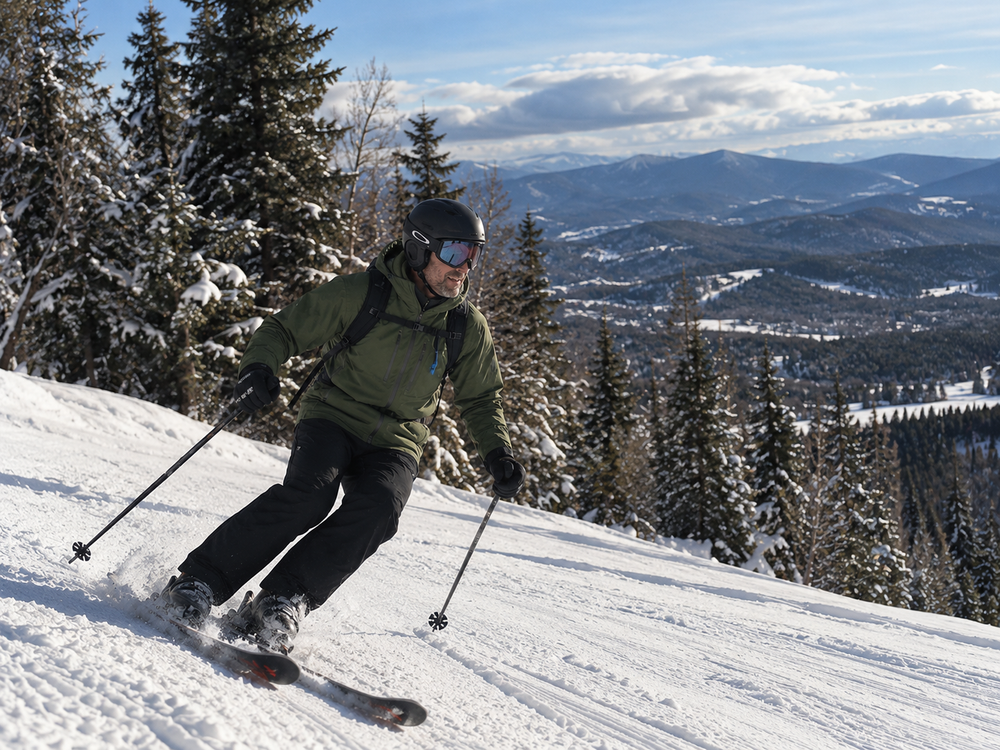
Winter in Killington offers plenty of opportunities to stay active. Skiing, snowshoeing, walking, and other outdoor adventures can make the colder months exciting.
But winter also creates challenges.
Shorter days, unpredictable weather, slippery surfaces, and changing schedules can make it difficult to maintain a consistent exercise routine.
The best way to stay strong and active during winter is to combine regular strength training, enjoyable cardiovascular activity, and adequate recovery while adjusting your routine to your actual activity level.
You do not need to exercise intensely every day. You need a realistic approach that works with your winter lifestyle.
At Killington Boot Camp, group and private fitness training provides options for adults who want structured coaching alongside their outdoor activities.
❄️ Why Winter Fitness Needs a Flexible Approach
A typical winter week in Vermont can look very different from one in summer.
You might spend Saturday skiing, Sunday recovering, and Monday dealing with snow and household responsibilities.
Then a stretch of difficult weather may keep you indoors for several days.
Instead of treating these changes as interruptions, build flexibility into your training.
The CDC's winter activity guidance recommends planning around weather conditions, staying active indoors when necessary, and choosing enjoyable activities that can be maintained throughout the season.
The important distinction is between having a consistent routine and following an inflexible schedule.
Consistency means continuing to move over time, even when the type or intensity of activity changes.
💪 Keep Strength Training in Your Winter Routine
Skiing and other outdoor activities can be physically demanding, but they do not necessarily replace a balanced strength training program.
Strength training challenges your muscles through resistance, helping maintain or develop strength across different movement patterns.
A useful full-body routine may include:
-
Squats or other knee-dominant movements
-
Hip hinges such as deadlift variations
-
Pushing movements
-
Pulling movements
-
Loaded carries
-
Core stability exercises
These movements help develop strength that can support both everyday tasks and recreational activities.
According to the CDC's adult physical activity recommendations, adults should aim for muscle strengthening activities involving major muscle groups on at least two days each week.
At KBC, group fitness and personal coaching offer ways to include structured strength work in your routine.
The right intensity depends on your experience, current fitness, and other activities.
Count Outdoor Recreation as Part of Your Training Load
One common mistake during winter is treating gym workouts and outdoor recreation as completely separate.
Your body does not make that distinction.
A demanding day on the slopes contributes to fatigue, muscular work, and your overall activity level.
If you have already spent several hours skiing, you may not need another difficult lower body workout immediately afterward.
Consider the following hypothetical examples.
After a demanding ski day
You might prioritize lighter movement, comfortable walking, and rest instead of another intense conditioning session.
Before a full weekend of skiing
You might schedule a moderate strength session earlier in the week and avoid introducing unfamiliar, demanding exercises immediately before your trip.
During a week with limited outdoor activity
You might emphasize structured indoor strength and conditioning sessions to maintain your routine.
The goal is to make gym training complement your winter activities rather than compete with them.
🏔️ What Counts as Winter Physical Activity?
You have more options than you might think.
Depending on intensity and duration, winter activities such as brisk walking, cross-country skiing, snowshoeing, and recreational skiing can contribute to overall physical activity.
Indoor cycling, strength circuits, and other conditioning activities can also be useful.
Federal guidelines recommend that adults work toward at least 150 minutes of moderate-intensity aerobic activity weekly, or an equivalent amount of vigorous activity, along with strength training.
However, these recommendations do not mean you must reach every target immediately.
Some activity is better than none, and gradually increasing your activity can be appropriate when you are starting or returning after a break.
The CDC's guidance for adding physical activity offers practical ways to build movement into everyday life.
A Realistic Winter Training Week
The following is a hypothetical schedule for a generally healthy, recreationally active adult who expects to ski during the weekend.
| Day | Suggested activity |
|---|---|
| Monday | Full body strength training |
| Tuesday | Comfortable walking or light conditioning |
| Wednesday | Second strength session |
| Thursday | Light movement or rest |
| Friday | Optional easy mobility or rest |
| Saturday | Recreational skiing |
| Sunday | Recovery or gentle activity |
This is not a required program.
Someone skiing several days each week may need less additional conditioning. Someone who rarely skis may benefit from a different balance of aerobic and strength training.
A coach can help adjust the schedule around your current abilities and goals.
Make Indoor Training Your Weather Backup Plan
Winter conditions do not always cooperate with outdoor plans.
Rather than skipping movement entirely when weather changes, create a backup option.
For example, if a planned walk becomes impractical because of icy conditions, consider an indoor activity instead.
A short session using bodyweight movements, resistance bands, or appropriate exercise equipment can help maintain your routine.
You can also explore KBC's current group class schedule to see what fits your availability.
Because schedules change seasonally, check the current class calendar before making plans.
🧘 Recovery Still Matters During Winter
More activity is not always better.
Training creates physical demands, and recovery allows your body time to adapt.
Pay attention to persistent fatigue, unusually poor performance, soreness that interferes with daily activities, and changes in how you feel during exercise.
These signals do not automatically mean something is wrong, but they may indicate that your current workload needs adjustment.
Useful recovery habits include adequate sleep, regular meals, hydration, and allowing enough time between demanding sessions.
KBC also offers Block Therapy as part of its wellness services.
Block Therapy may be an option for people interested in guided mobility and body awareness practices, but it should not be considered a replacement for medical care or evidence-based rehabilitation.
A Winter Fitness Checklist
Before planning your next week, ask yourself:
-
How many days will I realistically be active outdoors?
-
Have I included strength training for my major muscle groups?
-
Am I leaving enough time between demanding activities?
-
Do I have an indoor alternative when conditions are unsafe?
-
Can I adjust my plan without feeling that I have failed?
-
Does my routine support the activities I enjoy most?
These questions can help you build a training schedule around your life instead of trying to force your life around a rigid program.
Common Winter Training Mistakes
Doing every workout at maximum intensity
A hard ski day followed by several demanding workouts can create more fatigue than you anticipated.
Not every session needs to be intense to be useful.
Skipping strength training throughout ski season
Outdoor recreation can provide substantial physical activity, but a balanced strength routine may still be valuable.
Ignoring the weather
Cold temperatures, ice, and reduced visibility can change the risks of outdoor activity.
Check conditions, dress appropriately, and choose safer alternatives when necessary.
Waiting until spring to restart
You do not need perfect weather or a new season to become more active.
A modest indoor routine can provide a starting point.
Frequently Asked Questions
Is skiing enough exercise during winter?
Skiing can contribute meaningfully to physical activity, depending on how often and how intensely you ski. However, it may not provide balanced resistance training for every major muscle group.
How often should I strength train during ski season?
Federal guidelines recommend muscle strengthening activity at least twice weekly for adults. Your individual schedule should account for skiing frequency, recovery, fitness level, and other demands.
Should I work out when my legs are sore from skiing?
It depends on the severity of the soreness and the planned activity. Light movement may feel comfortable, while another demanding leg session may be better postponed. Severe pain, swelling, or symptoms that seem unusual deserve appropriate medical evaluation.
Can beginners join fitness classes during winter?
KBC describes its group and private coaching as suitable for a range of abilities, including beginners and returning athletes. Contact the facility to identify an appropriate starting option.
Build a Winter Routine That Works for You
Staying active through a Vermont winter does not require a perfect schedule.
It requires a balance of strength, enjoyable movement, and recovery that fits your life.
Some weeks may include several days on the mountain. Others may depend more heavily on indoor exercise.
Both can be part of a consistent fitness routine.
If you want structured support, explore Killington Boot Camp's group and private fitness training and choose a format that complements your winter activities.
The goal is to stay capable, active, and ready to enjoy the mountain lifestyle throughout the season.
