What Should You Eat When You Train and Play Hard in Killington?
Oct 1, 2026
by Beth Roberts
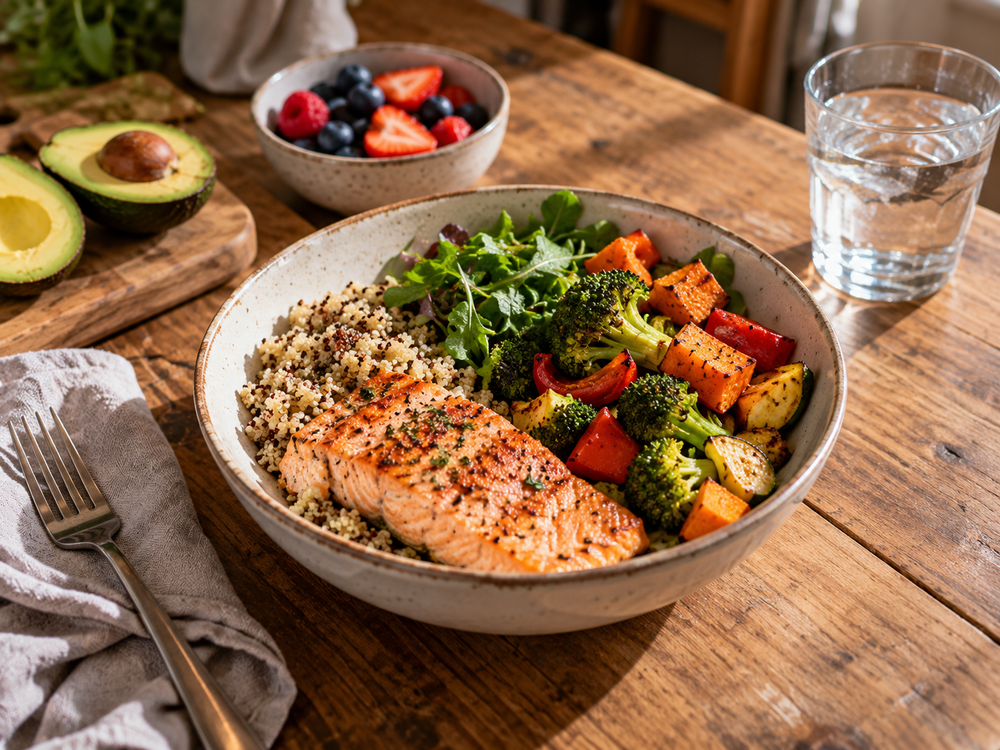
When your week includes strength training, skiing, hiking, biking, or long days outside, nutrition can start to feel unnecessarily complicated.
Do you need more protein?
Should you avoid carbohydrates?
Is a shake necessary after every workout?
What should you eat before heading to the mountain?
For most active adults, the foundation is much simpler:
Eat enough to support your activity, include a variety of nutrient-dense foods, get protein regularly, include carbohydrates around demanding activity, and pay attention to hydration.
You do not need a perfect diet to support an active lifestyle.
At Killington Boot Camp, nutrition is part of a broader wellness approach alongside group fitness, individual and small group coaching, Block Therapy, and outdoor activity. KBC currently lists Nutrition Coaching among its services, making nutrition a natural part of the conversation about sustainable fitness.
Start With Your Whole Day, Not One Perfect Meal 🥗
Workout nutrition often gets reduced to one question: “What should I eat after training?”
That meal matters, but your overall eating pattern matters more.
USDA nutrition guidance emphasizes variety across fruits, vegetables, grains, protein foods, and dairy or fortified soy alternatives. Protein foods can include seafood, lean meat, poultry, eggs, beans, lentils, nuts, seeds, and soy foods.
For an active adult, that might translate into meals built around four practical components:
A protein source: Eggs, Greek yogurt, fish, chicken, tofu, beans, lentils, cottage cheese, or another food that fits your preferences.
A carbohydrate source: Oats, potatoes, rice, whole-grain bread, fruit, pasta, or other grains and starchy foods.
Produce: Fruit or vegetables that add fiber, micronutrients, and variety.
A source of dietary fat: Nuts, seeds, avocado, olive oil, or fats naturally present in other foods.
Not every plate needs to look identical. The point is to build a reliable foundation before worrying about supplements or complicated nutrient timing.
Protein Matters, but More Is Not Automatically Better
If you strength train, protein deserves attention because dietary protein provides amino acids used in building and maintaining body tissues.
Research also supports the combination of adequate protein intake and resistance training.
A large meta-analysis involving 49 resistance training studies found that protein supplementation produced modest additional improvements in muscle mass and strength during prolonged resistance training. Importantly, the analysis found no further improvement in fat-free mass from protein supplementation beyond total intakes of roughly 1.6 grams per kilogram of body weight per day.
That does not mean everyone needs exactly that amount.
Your needs can vary based on body size, age, training volume, overall diet, goals, and health considerations.
A simpler practical strategy is to include a meaningful protein source at meals rather than trying to consume most of your daily protein at dinner.
Food first can work perfectly well
Protein powder can be convenient, but it is not mandatory.
A post-workout option might be Greek yogurt with fruit, eggs and toast, a balanced lunch, or a smoothie when you need something portable.
Supplements are tools, not requirements.
Do Not Fear Carbohydrates When You Are Active ⛷️
Carbohydrates often receive mixed messages in fitness culture.
For someone who trains and participates in endurance-based outdoor activities, eliminating an entire macronutrient category is rarely a useful default strategy.
Carbohydrate-rich foods can contribute energy to an active day. The amount and timing you need depend on what you are doing.
A short strength workout and several hours of skiing do not create identical demands.
Before a longer activity, familiar carbohydrate-containing foods can be practical. Examples include oatmeal with fruit, toast with banana, rice with a meal, or another option you know sits comfortably.
During very long or demanding activities, nutrition needs can become more specific. That is where individualized advice can be useful.
What Should You Eat Before a Workout?
There is no universal perfect pre-workout meal.
The most useful option is one that gives you energy without leaving you uncomfortable.
If you have a few hours before training
A balanced meal can include carbohydrates, protein, and foods you digest comfortably.
For example:
Oatmeal, fruit, and Greek yogurt
Eggs, whole-grain toast, and fruit
Rice, vegetables, and a protein source
A sandwich with lean protein plus fruit
If you are training soon
You may prefer something smaller and easier to digest.
A banana, toast, yogurt, or another familiar snack may be more comfortable than a large meal.
Your personal tolerance matters.
A food that works perfectly for someone else may not be your best choice before squats, conditioning, or a long ski day.
What About After Training?
You do not need to sprint toward a protein shake the second your workout ends.
Research supports protein intake as part of resistance training nutrition, but your total daily intake remains important.
After training, think about what comes next.
If you just completed a demanding session and will be active again soon, a meal containing protein, carbohydrates, fluids, and nutrient-dense foods can support your overall nutrition needs.
If dinner is coming shortly, dinner may simply be your post-workout meal.
The goal is consistency, not creating another rule to worry about.
A Practical Day for an Active Adult in Killington 🏔️
Consider a hypothetical Saturday with several hours of skiing.
This is not a prescribed meal plan. It simply demonstrates how basic nutrition principles can fit a real day.
| Time | Practical option | Purpose |
|---|---|---|
| Breakfast | Oatmeal, berries, Greek yogurt, water | Carbohydrates, protein, fluids |
| Before skiing | Banana or toast if hungry | Convenient additional energy |
| Lunch | Sandwich or grain bowl with protein, vegetables, fruit | Replenish energy and provide protein |
| Afternoon | Yogurt, fruit, nuts, or another familiar snack | Bridge the gap until dinner |
| Dinner | Protein source, potatoes or rice, vegetables | Balanced meal after an active day |
The exact foods can change completely.
What matters is the structure.
You are planning around the activity rather than reaching late afternoon realizing that coffee and a snack were your entire day of fuel.
Five Common Nutrition Mistakes Active Adults Make
1. Training hard while consistently eating too little
Trying to improve performance while chronically underfueling can make it difficult to support training demands.
2. Focusing only on protein
Protein matters, but vegetables, fruit, grains, fats, and other foods contribute nutrients your body also needs.
3. Saving most food for the end of the day
Some people feel and perform better when nutrition is distributed more intentionally across an active day.
4. Experimenting on an important activity day
The morning of a long hike or ski day is not the ideal time to discover whether a completely new breakfast agrees with you.
Practice your routine beforehand.
5. Copying someone else's diet
Your friend's nutrition plan was built around your friend.
Your activity, preferences, schedule, goals, medical history, and relationship with food are your own.
A Simple Nutrition Checklist
Before making nutrition complicated, ask yourself:
- Am I eating regularly enough to support my activity?
- Do most meals contain a protein source?
- Am I including fruits and vegetables throughout the day?
- Am I including carbohydrate foods when my activity demands them?
- Do I arrive at workouts feeling reasonably fueled?
- Am I drinking fluids consistently rather than waiting until I feel depleted?
- Is my approach realistic enough to maintain when work and life get busy?
If several of these basics are missing, improving them may be more useful than searching for the perfect supplement.
When General Nutrition Advice Is Not Enough
Nutrition coaching and clinical nutrition care are not the same thing.
If you have diabetes, kidney disease, gastrointestinal disease, food allergies, an eating disorder or history of disordered eating, unexplained weight changes, or another medical condition affected by nutrition, discuss your needs with an appropriately qualified healthcare professional or registered dietitian.
The same applies when your goals require individualized sports nutrition planning beyond general healthy eating education.
Frequently Asked Questions
Do I need a protein shake after every workout?
No. Protein supplements can be convenient, but protein can also come from regular foods. Your overall intake and dietary pattern matter.
Should I eat before an early morning workout?
It depends on the duration and intensity of the session, your goals, and how you feel when eating before exercise. Some people prefer a small snack, while others tolerate training before breakfast well. Individual context matters.
Is nutrition different on a long ski or hiking day?
It can be. Several hours of physical activity generally create different energy and fluid demands than a short gym session. Planning food and fluids ahead is especially useful for longer outings.
Do I need to count calories or macros?
Not necessarily. Tracking can be useful in some situations, but many people can improve their nutrition by first focusing on meal quality, consistency, appropriate portions, and how their eating supports activity.
Build Nutrition Around the Life You Want to Live
Good nutrition does not need to become another full-time job.
For most active adults, the best place to start is with repeatable habits: eat a varied diet, include protein throughout the day, use carbohydrates appropriately for your activity, stay mindful of hydration, and adjust based on your real schedule.
In a mountain community like Killington, your fitness does not end when you leave the gym. Your training may support skiing in winter, hiking in warmer weather, and staying capable for everything in between.
Your nutrition should support that same goal.
If you want help building more consistent habits around your training and active lifestyle, explore Nutrition Coaching at Killington Boot Camp as part of KBC's broader fitness and wellness approach.
